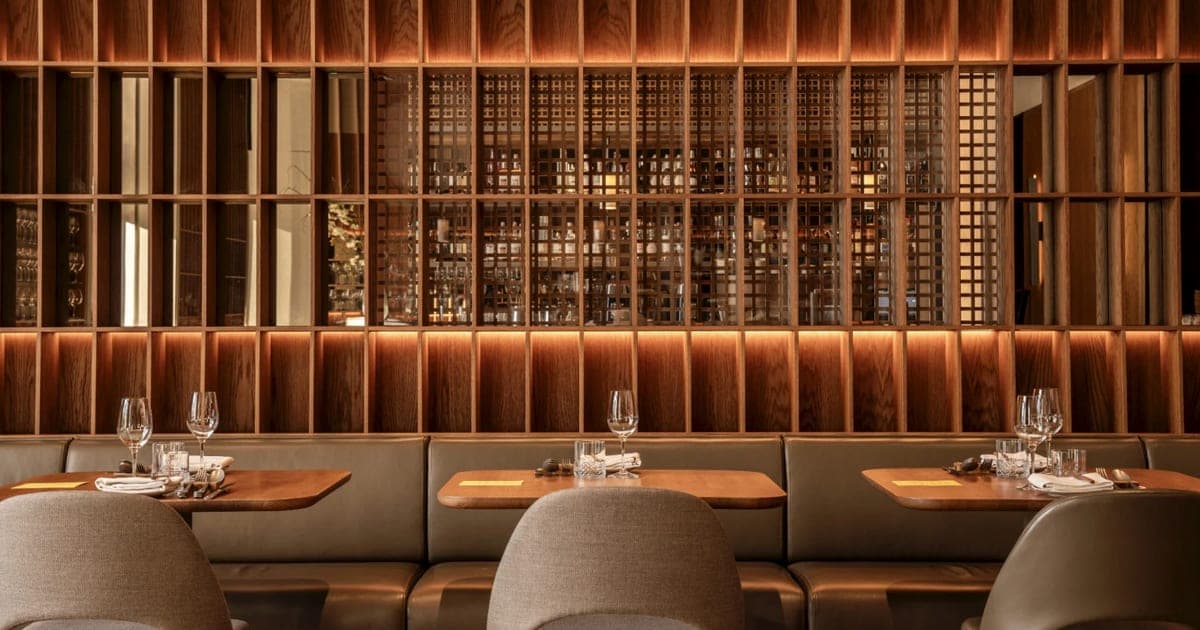
Foto: RIJKS
№ 01Museumkwartier · Modern Dutch · €€€€9.2
Bijdendijks keuken van de Lage Landen is het beste stuk van het Rijksmuseum, en je mag het opeten.
Sinds 2014 herbergt de Philipsvleugel van het Rijksmuseum het overtuigendste argument dat Nederlands eten serieus genomen moet worden. Executive chef Joris Bijdendijk en zijn keukenchefs Yascha Oosterberg en Friso van Amerongen noemen het 'Low Food': Nederlandse bodem, Nederlands water, en elke smaak van de specerijenroutes die vier eeuwen handel erheen hebben gesleept. Het interieur is hoog glas en kalme zelfverzekerdheid, met een open keuken die zoemt in plaats van schreeuwt en een Michelinster die hier al jaren op zijn gemak zit. De lunch is stilletjes de slimme zet: dezelfde brigade, een zachtere rekening, museumlicht dat naar binnen valt; het diner is de avond in vol ornaat. Ja, toeristen weten het te vinden. Maakt niet uit. Als een keuken met deze ambitie in het nationale museum zit en nog steeds kookt alsof er iets te bewijzen valt, dan boek je die tafel.
Bestel · Neem het volledige menu van de chef en neem de vegetarische versie serieus; in de groentegangen pakt Bijdendijk het hardst uit.
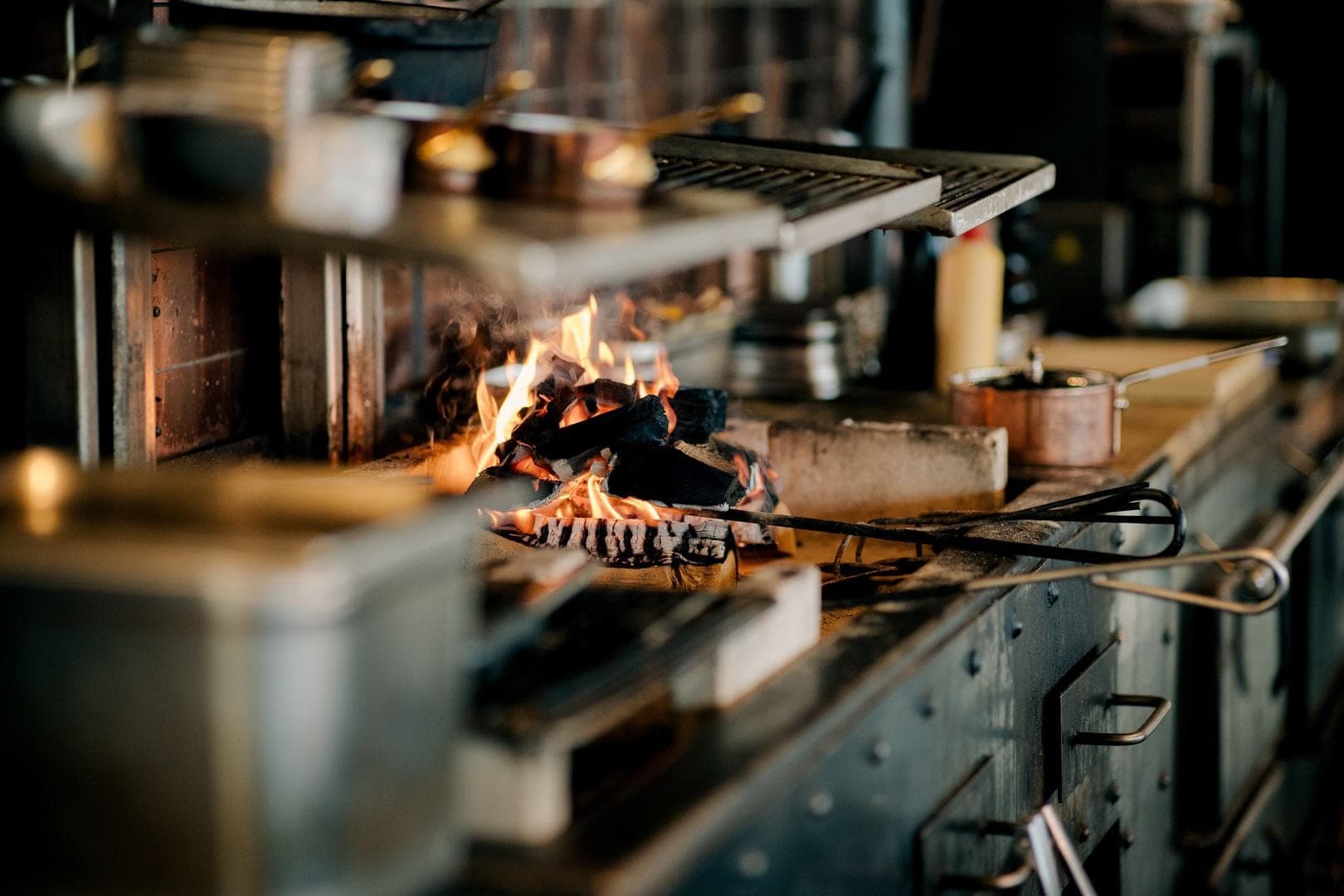
Foto: Restaurant Wils (Nina Slagmolen)
№ 02Olympisch Kwartier · Live-fire · €€€€8.8
Vuurverering met een Michelinster, drie hoog boven het Stadionplein.
Het tweede bedrijf van Joris Bijdendijk zit drie verdiepingen boven het Stadionplein en draait op vlammen: geen gerecht verlaat deze keuken zonder eerst hout, rook of gloeiende kolen te hebben ontmoet. De Michelinster kwam in 2021 en bleef, en dat vertelt je dat het vuur hier discipline is en geen trucje: geblakerde uiensoorten die zoet worden, vis met een zweem van rook, sauzen gebouwd op braadvocht. Het menu van de chef komt in vier of vijf gangen, à la carte kan ook voor wie liever zelf samenstelt, en de vegetarische en vegan versies zijn werkelijk gecomponeerd in plaats van verontschuldigend. De zaak van beton en hout blijft open tot middernacht, laat naar de maatstaven van Amsterdamse fine dining, en de lunch op vrijdag en zaterdag is een van de best bewaarde stille luxes van de stad. Beneden vangt het Wils Bakery Café het dagvolk op; boven verdient het Olympisch kwartier zijn reputatie als serieuze keukenbuurt.
Bestel · Boek de lunch op vrijdag of zaterdag: het vijfgangenmenu van de chef in een halfleeg restaurant, dat is de kennersversie.
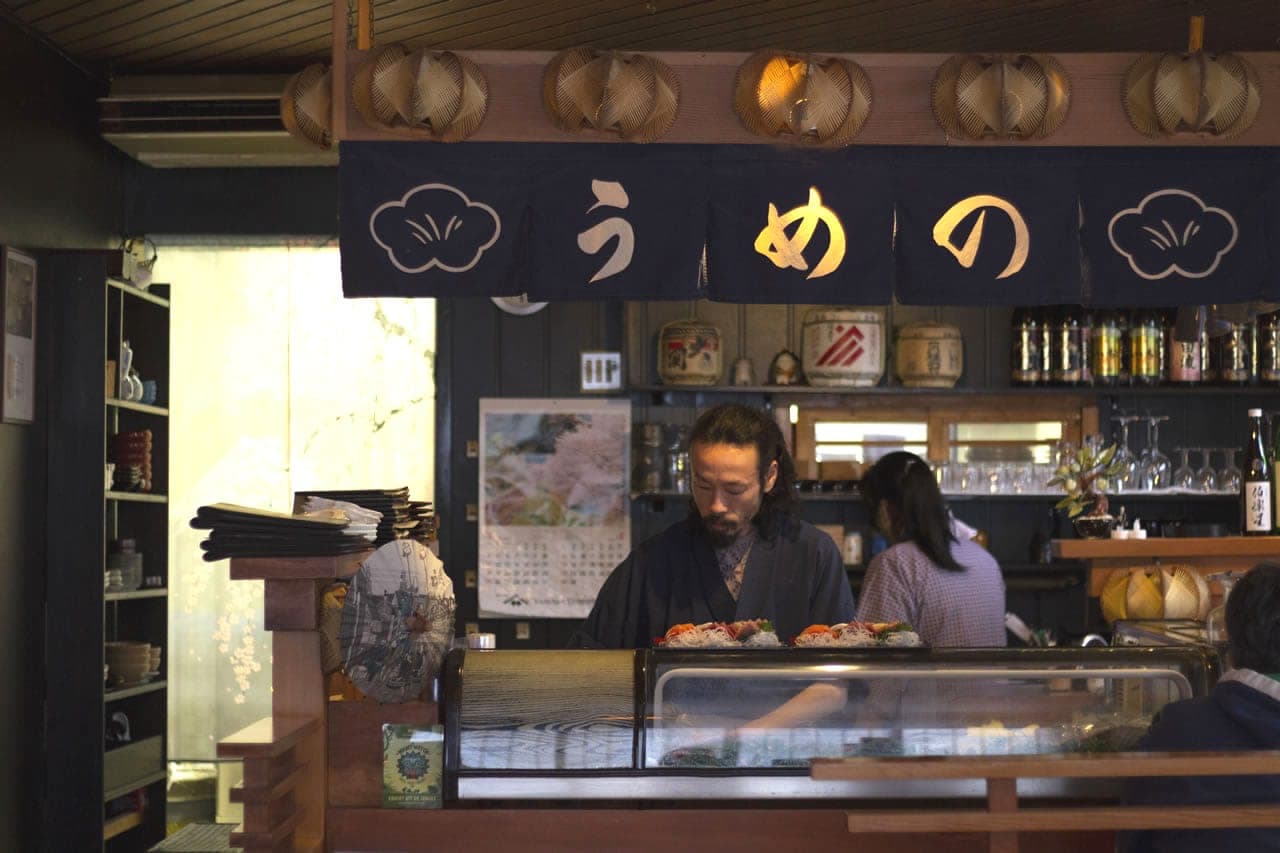
Foto: Japanese Foodie Guide
№ 03Stadionbuurt · Japanese (omakase) · €€€8.3
Het oudste omakase-adres van de stad, drie avonden per week open en alleen via WhatsApp binnen te komen.
Reserveren kan uitsluitend via WhatsApp, er zijn maar drie avonden per week en je betaalt vooraf aan voor een menu waar je niets over te zeggen hebt. Klinkt streng, maar Umeno heeft die eigenwijsheid ruimschoots verdiend. De zaak draait sinds 1978, toen Japans eten in Nederland nog een curiositeit was, en het interieur is sindsdien nauwelijks van gedachten veranderd: houten counter, papieren lampionnen, een noren voor de deur. Neef Atsu nam het stokje in 2008 over van de oprichter en runt de boel met zijn familie. Hij rijpt zijn vis in eigen huis, wisselt tussen twee soorten sushiazijn en serveert een vast menu van zo'n negen gangen aan een handjevol gasten. Parool-recensent Mara Grimm deelde een 9,5 uit en noemde het een van de beste Japanse restaurants van Nederland, waarna het er nog voller werd. Rond de derde nigiri begrijp je waarom niemand hier ooit klaagt.
Bestel · Appen dus, niet bellen: de aanbetaling gaat later gewoon van de rekening af en het vaste menu staat online, dus lees het voor je toezegt. Alleen vrijdag en zaterdag vanaf 19:00, dus stuur je berichtje vroeg in de week.
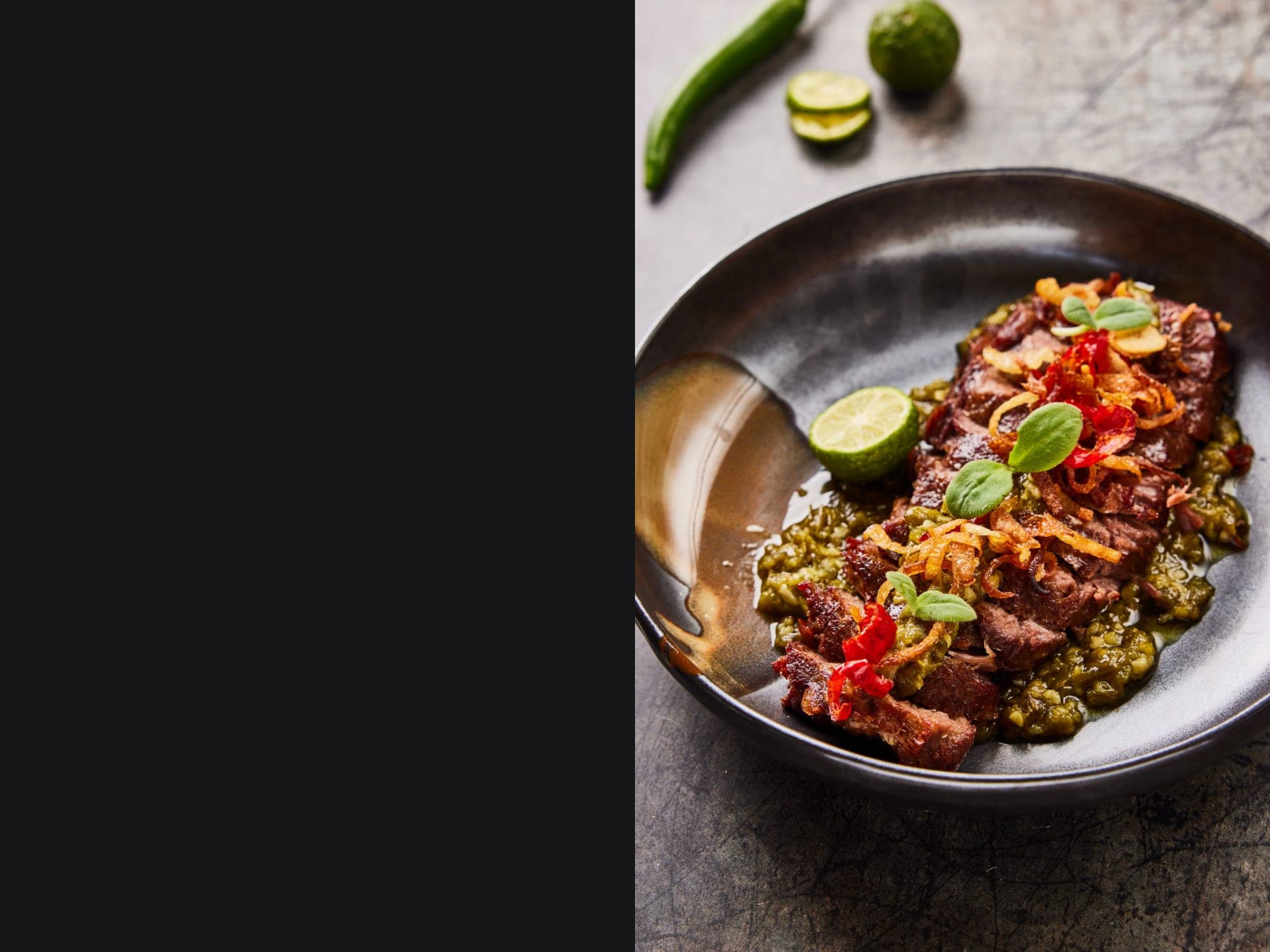
Foto: Restaurant Blauw
№ 04Vondelpark-Zuid · Indonesian · €€8.3
Vier Indonesische rijsttafels, van vegan tot vlees, vis en vega, bij de zaak die Time Out in 2026 de beste Indonesiër van Amsterdam noemt.
Blauw aan de Amstelveenseweg heeft een tweede vestiging in Utrecht, met dezelfde kaart. Henk van Hees nam beide restaurants in 2013 over. Executive chef is Hendra Subandrio, geboren in Jakarta, die van 2013 tot 2017 de Amsterdamse keuken leidde. Er zijn vier rijsttafels vanaf twee personen, van Vegan Rasa (42 euro per persoon) tot Authentiek met vlees, vis en vega (48). Menu Biru (streetfood, gemengde rijsttafel, dessert) kost 58,50 per persoon; dat bestel je alleen met de hele tafel. Eet je à la carte, dan krijg je bij elk hoofdgerecht nasi, gado gado en sayur lodeh. Al het vlees is halal. Time Out zette Blauw in 2026 op nummer 10 van de beste restaurants van Amsterdam en raadt de rijsttafels aan. Gasten krijgen de rijsttafel vaak niet op en prijzen de bediening, die de gerechten uitlegt. Een deel vindt het aan de dure kant, en over de pittigheid zijn ze verdeeld.
Bestel · Blauw is elke dag open vanaf 17.00, niet voor lunch; online reserveer je tot zes personen, grotere groepen mailen. Het oude pand heeft smalle trappen en is niet rolstoeltoegankelijk.
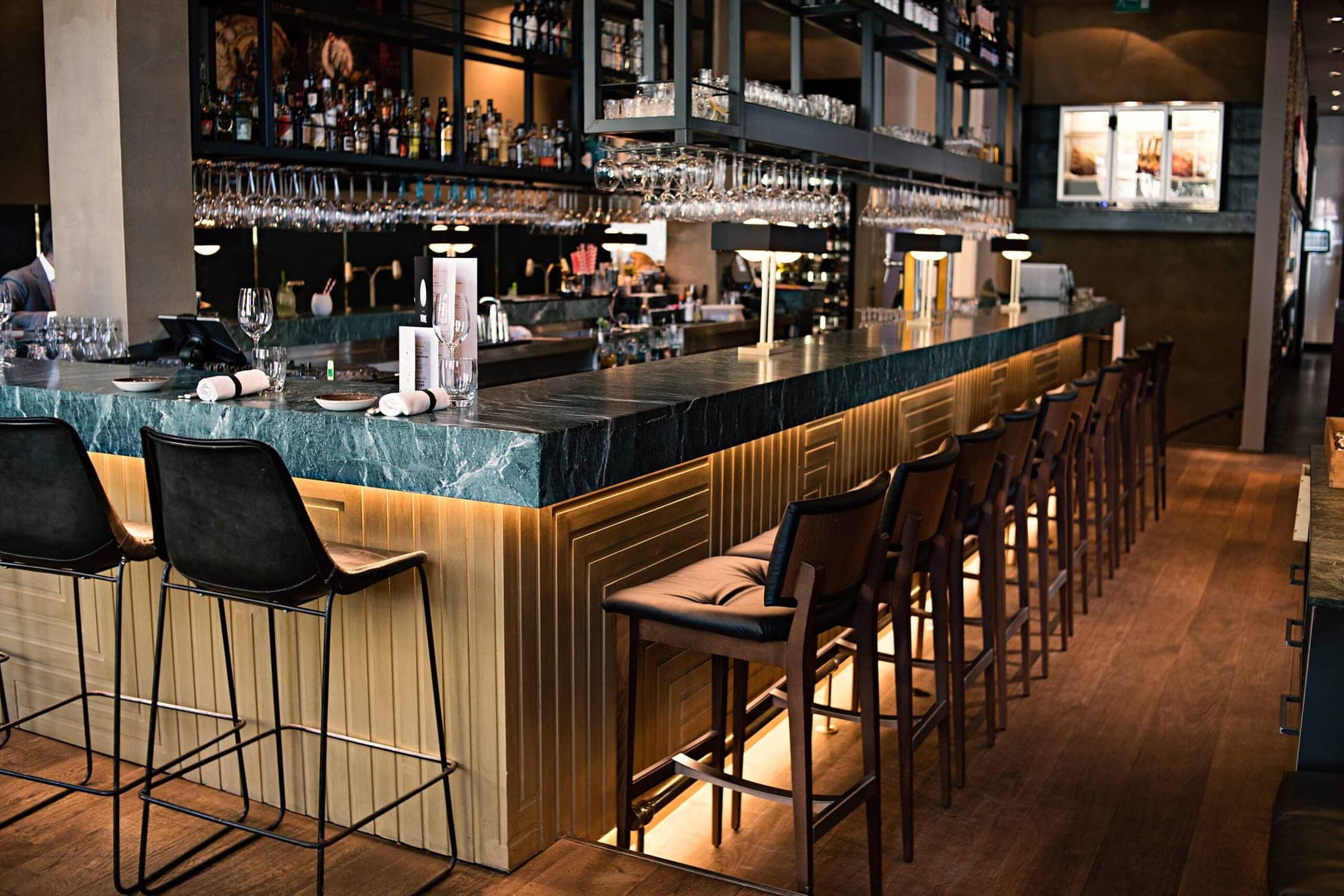
Foto: Ron Gastrobar
№ 05Willemspark · Dutch-French · €€€8.2
Ron Blaauw ruilde er twee Michelinsterren voor in, en won de ruil.
In 2013 deed Ron Blaauw iets waar Nederlandse chefs het nog altijd over hebben: hij leverde twee Michelinsterren in, trok de witte tafellakens uit zijn statige paviljoen aan de Sophialaan en begon scherpe borden van sterrenniveau te serveren voor democratische prijzen. Tien jaar later leest de gok als een profetie: het halve Amsterdamse restaurantwezen imiteert de formule inmiddels, en het origineel voert haar nog altijd het beste uit. Het pand is een fraai beglaasd paviljoen in het lommerrijke Willemspark, een en al geroezemoes en klinkende glazen, met een terras dat volstroomt zodra de zon ook maar enige moeite doet. De kaart loopt van een onberispelijke steak tartare via langzaam gegaard vlees naar één behoorlijk decadente burger, elk gerecht zo bemeten dat je er drie bestelt en over een vierde gaat bakkeleien. Buurtbewoners nemen hier ouders, dates, collega's en kinderen door elkaar mee naartoe. Geen poespas, zoals de man zelf zegt: geen gedoe, louter plezier.
Bestel · Bouw je maaltijd rond de tartare en de burger, en laat de dagspecials van de keuken de gaten vullen.
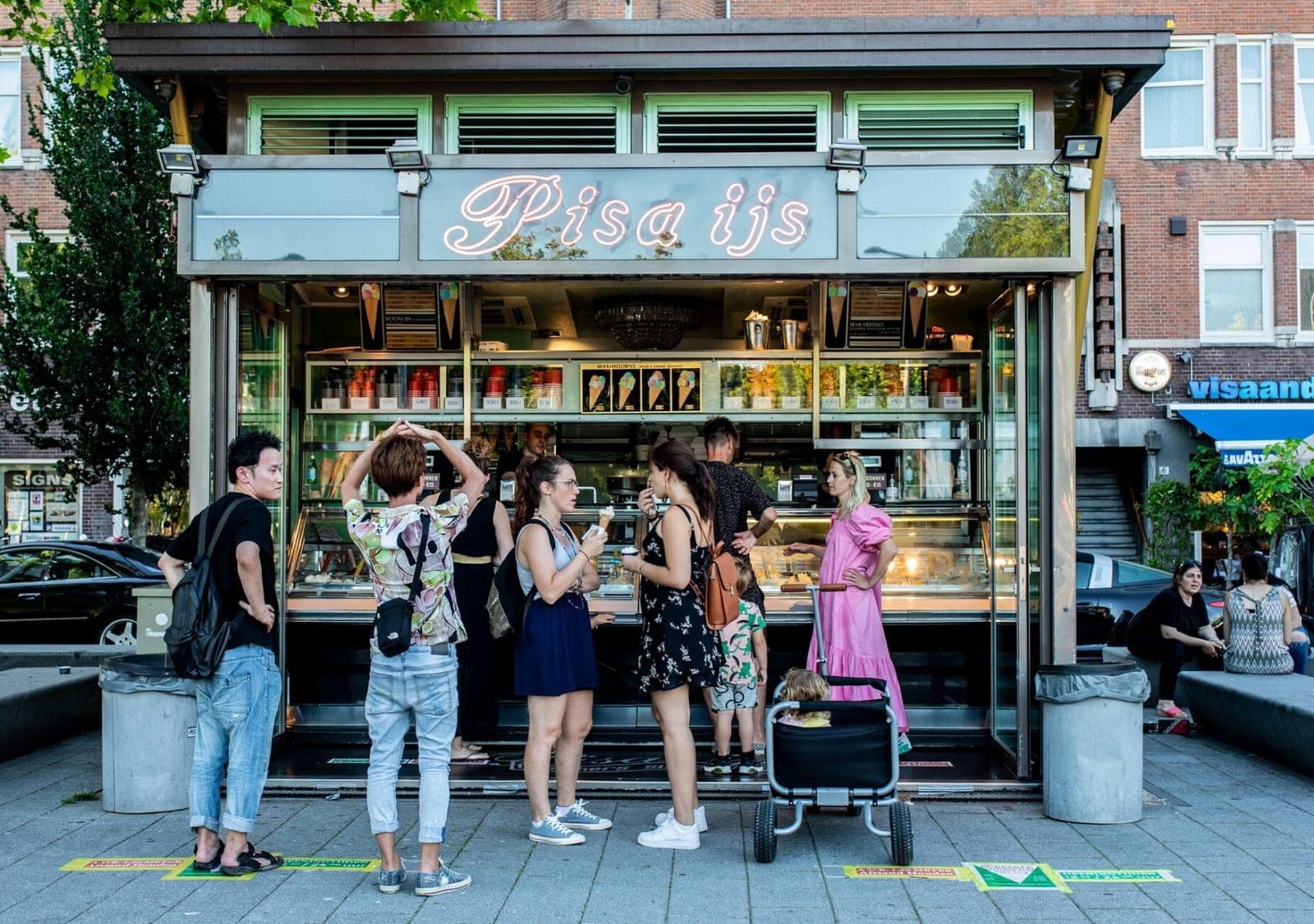
Foto: AmsterdamNow
№ 06Rivierenbuurt · Ice cream · €8.1
Een familiekiosk uit 1935 op het Scheldeplein die elke foodtrend en de meeste gebouwen eromheen heeft overleefd.
Enrico Morelli kwam uit Toscane en begon in 1935 met scheppen; zijn achterkleinzoon Leonardo Frangini runt de kiosk nu, wat Pisa een van de oudste ijszaken van de stad maakt en waarschijnlijk de koppigste. De zaak zwierf van Oost via De Pijp naar het Scheldeplein, waar de groene kiosk tegenover de RAI het soort vast punt is geworden waar mensen hun avondwandeling omheen plannen. Ruim 60 smaken wisselen elkaar per seizoen af, de rij op warme avonden is een sociale gebeurtenis in de Rivierenbuurt, en Mano Bouzamour schreef de kiosk een bestseller in. Het Parool vierde vorig jaar het 90-jarig bestaan, met daarbij de lelijke vraag of de gemeente de kioskvergunning gaat aanbesteden. Het antwoord van de familie, dat ze onderdeel van de stad zijn, valt moeilijk te weerleggen. Alleen een loket, geen diner, tot laat open.
Bestel · Ze verkopen literbakken om mee te nemen voor 14 euro, de cheatcode voor etentjes in Zuid. De smakenlijst verandert constant, dus vraag wat er die ochtend gedraaid is.

Foto: Hakata Senpachi
№ 07Rivierenbuurt · Japanese izakaya / yakitori · €€8.1
Al ruim twintig jaar izakaya-rumoer en houtskoolyakitori in een zijstraat achter de RAI, voor prijzen uit Fukuoka in plaats van Amsterdam.
Wil je weten waar de Japanse gemeenschap van Amsterdam zelf eet, volg dan de rook naar deze zijstraat achter de RAI. Bij Hakata Senpachi staat de houtskoolgrill al meer dan twintig jaar midden in de zaak te walmen, en op een doorsnee dinsdag klinkt het er als een izakaya in Fukuoka op vrijdagavond. Bestellen doe je in golven: kippendij met lente-ui, buikspek gelakt met zoete miso, tsukune met precies de goede beet, kippenhartjes voor wie doorpakt. De meeste stokjes kosten rond de vier euro, dus de rekening blijft beschaafd, ook als de tafel de tel kwijtraakt. En dat gebeurt. Ondertussen wordt de sashimi hier met meer zorg gesneden dan bij menig sushirestaurant, en is de tonkotsu ramen een volwaardige afsluiter. Volkskrant en Parool kwamen langs en knikten instemmend, maar het echte keurmerk zit aan de tafels: gasten die overal in de stad terechtkunnen en toch telkens deze luidruchtige tent met de hibachi kiezen.
Bestel · Vraag om de counterplekken bij de grill, bestel een eerste lading stokjes en beslis de rest terwijl ze landen; de keuken sluit om 21:30 en de unagi en buta miso zijn als eerste op.
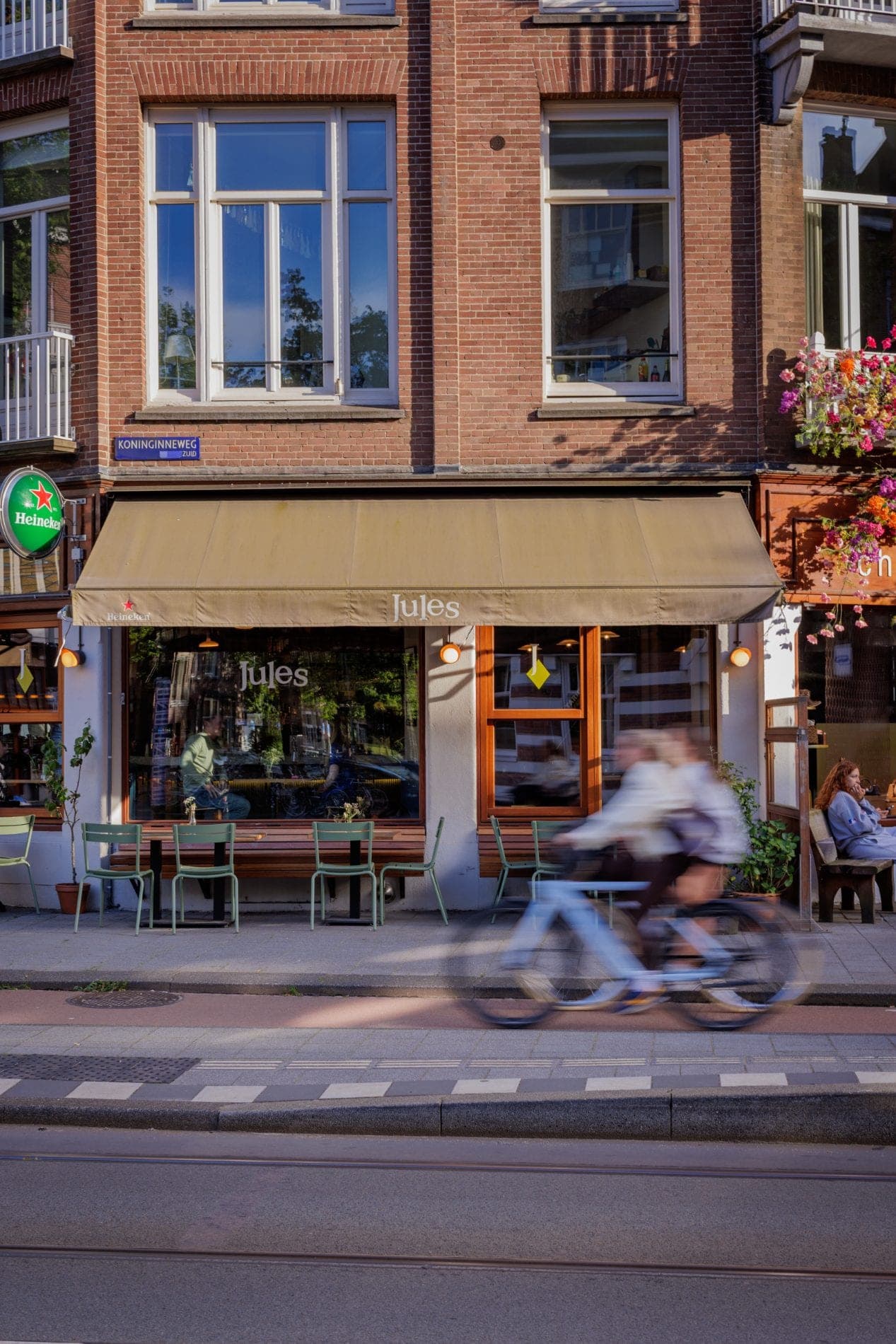
Foto: Jules
№ 08Willemspark · Spanish-Mexican · €€8.0
De huiskamer van het Valeriusplein, de hele dag door: Spaans-Mexicaanse deelgerechten, een terrazzobar, en binnenlopen mag je letterlijk nemen.
Het Valeriusplein is zo'n lommerrijk Oud-Zuidplein waar nooit iets gebeurt, en precies daarom werkt Jules. Achter de glazen gevel: een terrazzobar met de glazen boven je hoofd, roodfluwelen zitjes en een zaak die doorloopt van flatwhitemoeders om negen uur 's ochtends tot negronidrinkende buren rond middernacht. Sinds mei 2026 is de keuken van Alvaro Cesar Luengo (ex-RIJKS en Wils), die de zaak zijn Spaans-Mexicaanse draai gaf: croquetas de jamón die breken zoals het hoort, pulpo a la brasa op pil-pilaardappels, een gilda van één hap voor €4,50 en een tostada met brisket suadero die fotogenieker is dan je hond. Overdag zijn er huevos rancheros en een krokante pita met Libanees gekruid rundvlees; 's avonds deelgerechten en een wijnkaart die het personeel daadwerkelijk kent. De 4,3 op Google leest nog als buurtfavoriet, maar de keuken kookt inmiddels een niveau boven dat cijfer: RIJKS en Wils horen bij de beste adressen van dit hoofdstuk, en die leerschool zie je op elk bord terug. De regel 'reserveren of gewoon binnenlopen' op de site is beleid, geen marketing. Zondag sluit de zaak om zes uur.
Bestel · Begin met de gilda en de croquetas de jamón ibérico, en laat daarna de pulpo a la brasa het zware werk doen.
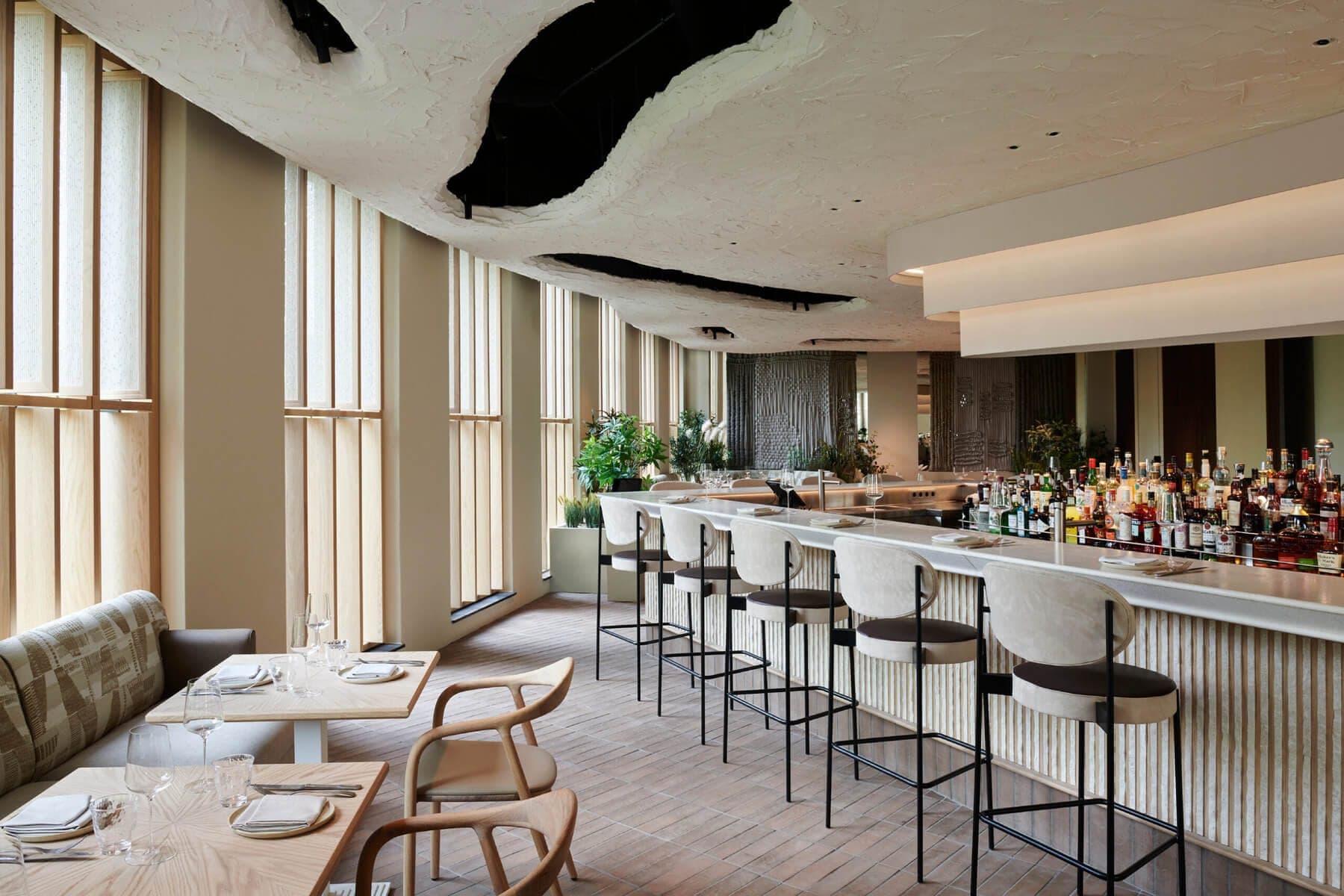
Foto: NELA
№ 09Zuidas · Grill · €€€8.0
Glamour op open vuur in het Valley-gebouw; de Zuidas heeft eindelijk lol leren maken.
De Zuidas werkt dagelijks duizend declaratielunches weg, maar NELA is het enige adres hier dat als een echte avond uit voelt. Hari Shetty en Ori Geller runnen een keuken op open vuur op de tweede verdieping van Valley, die grillige glazen berg waar je vanaf de A10 al naar tuurde, en sturen gerechten om te delen van houtskool en vlam de tafels op, terwijl het er schemerig en luidruchtig aan toe gaat. De formule beviel zo goed dat ook Londen een NELA kreeg, maar Amsterdam is het origineel. Kom met een groep, bestel te veel spiesen en gegrilds, en laat de dj-achtige soundtrack je tot na middernacht meevoeren. Subtiel? Nee. Is de vis exact goed geblakerd terwijl twee tafels verderop iemand nog een magnum bestelt? Ja. En soms is dat precies wat de dokter voorschreef.
Bestel · De yakitoribrunch op zondag is de stille hit: spiesjes van de binchotan in plaats van alwéér eggs benedict.
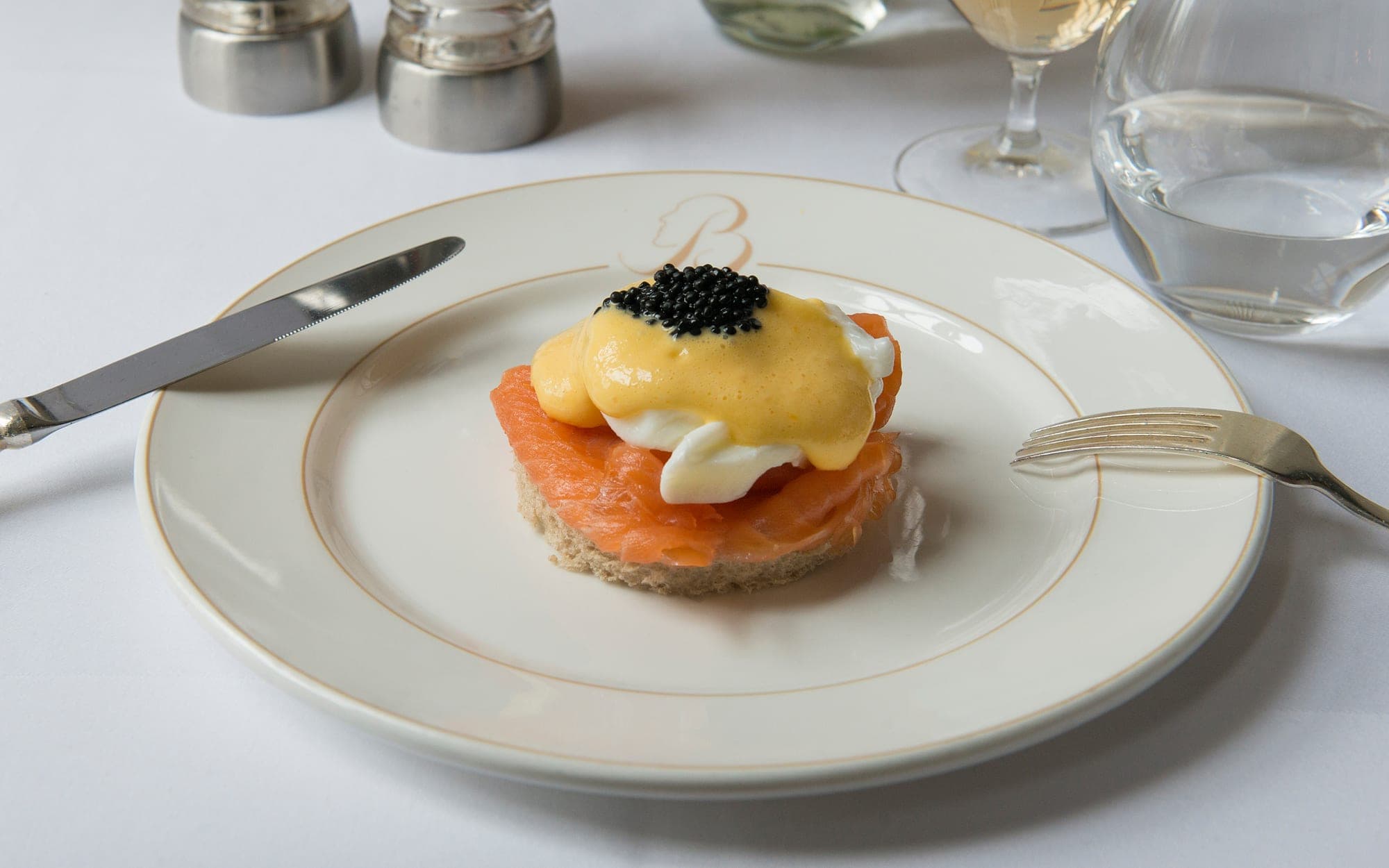
Foto: Brasserie van Baerle
№ 10Museumkwartier · French brasserie · €€€7.9
De kantine van het Concertgebouwvolk: oesters, knisperend linnen en een verborgen tuinterras.
Sommige restaurants jagen het moment na; Brasserie van Baerle overleeft het gewoon. Op deze hoek van de Van Baerlestraat worden de musici, mecenassen en critici van het Concertgebouw al tientallen jaren gevoed met een Frans brasserierepertoire dat weigert zich voor klassiek te verontschuldigen: oesters op ijs, zalmterrine, entrecote met echt sauswerk, en een wijnkaart die naar de oude wereld leunt en weet waarom. Binnen is het warm hout en wit linnen zonder stijfheid, maar de hoofdprijs zit achter: een verborgen tuinterras dat tot de lieflijkste plekken van Oud-Zuid behoort om een middag te verliezen, gespikkeld licht en klinkende glazen chablis. De bediening is van de oude school: gezichten worden onthouden, een diner voor het concert wordt op de minuut getimed, en je dessert wordt nooit opgejaagd. In een buurt die nieuw steeds vaker aanziet voor goed, is dit de zaak die zich niet gek laat maken.
Bestel · Begin met een half dozijn oesters op het tuinterras, en zeg het als je een concert hebt: ze stemmen de entrecote af op je aanvangstijd.
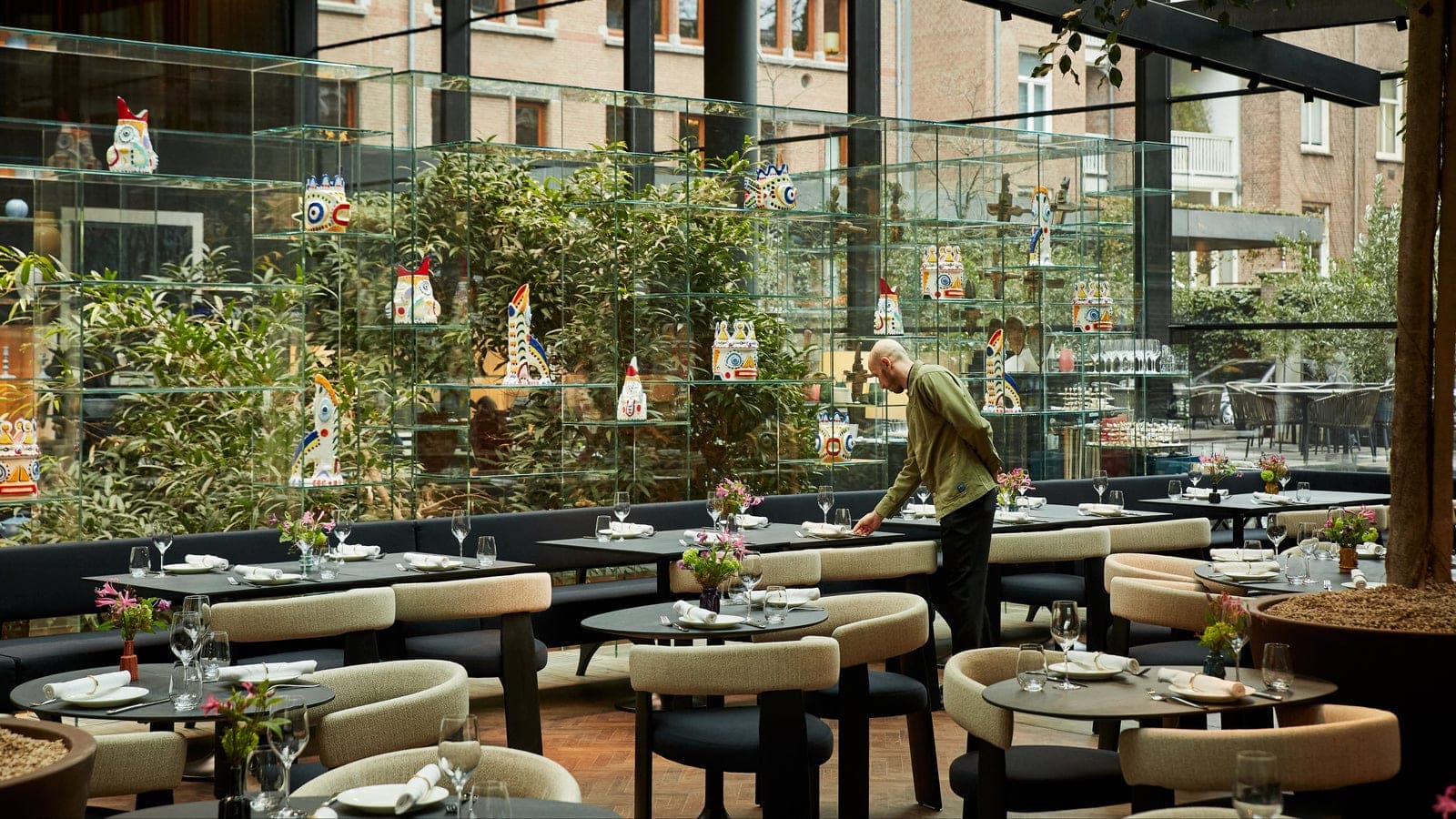
Foto: Ottolenghi
№ 11Museumkwartier · Middle Eastern and Mediterranean, vegetable-forward · €€€7.8
Yotam terug in Amsterdam: het volledige groenterepertoire, rooksmaak incluis, onder het glazen atrium van het Conservatorium.
Dertig jaar na een studententijd in Amsterdam is Yotam Ottolenghi terug, met zijn eerste Nederlandse restaurant: een zaak voor de hele dag met 85 stoelen, plus 30 terrasplekken op de binnenplaats, onder het glazen atrium van het Conservatorium, keramische vissen en muurschilderingen inbegrepen. De keuken speelt het volledige repertoire en speelt het goed: knolselderij, gerookt en boven houtskool gegrild tot shawarma, in pita gepropt met bkeila en gefermenteerde tomaat; verbrande prei onder yuzucrème en gerookte amandelen; kroketjes van kimchi en Goudse kaas als de verplichte Hollandse handdruk. Van de ruim twintig gerechten bevat maar een handjevol vlees, en de pers was mild aan beide kanten van het Kanaal: Barts Boekje schaart het onder de grote lange lunches, Foodies liep verliefd de deur uit, Elite Traveler haalde de schouders op dat dit precies de Ottolenghi is die je al kent, en dat is nu juist de bedoeling. De kanttekening is de bediening in deze beginperiode: lange gaten tussen de gangen, een ruimte die aan een vijfsterrenlobby grenst en af en toe op hoteltijd draait, en bij deze prijzen (hoofdgerechten 19 tot 41, een zeetong van 84) doet dat zeer. Aan het eten ligt het niet. Kom bij lunch, als het atrium zijn mooiste licht laat zien en de reserveringsgoden milder gestemd zijn, dan klopt de som.
Bestel · Reserveer de lunch, niet het diner: dezelfde kaart, makkelijker een tafel, en het atrium is voor daglicht gebouwd. De knolselderijshawarma is de bestelling; bij de fondant staat een waarschuwing van 15 minuten wachttijd, en die maakt hij waar.
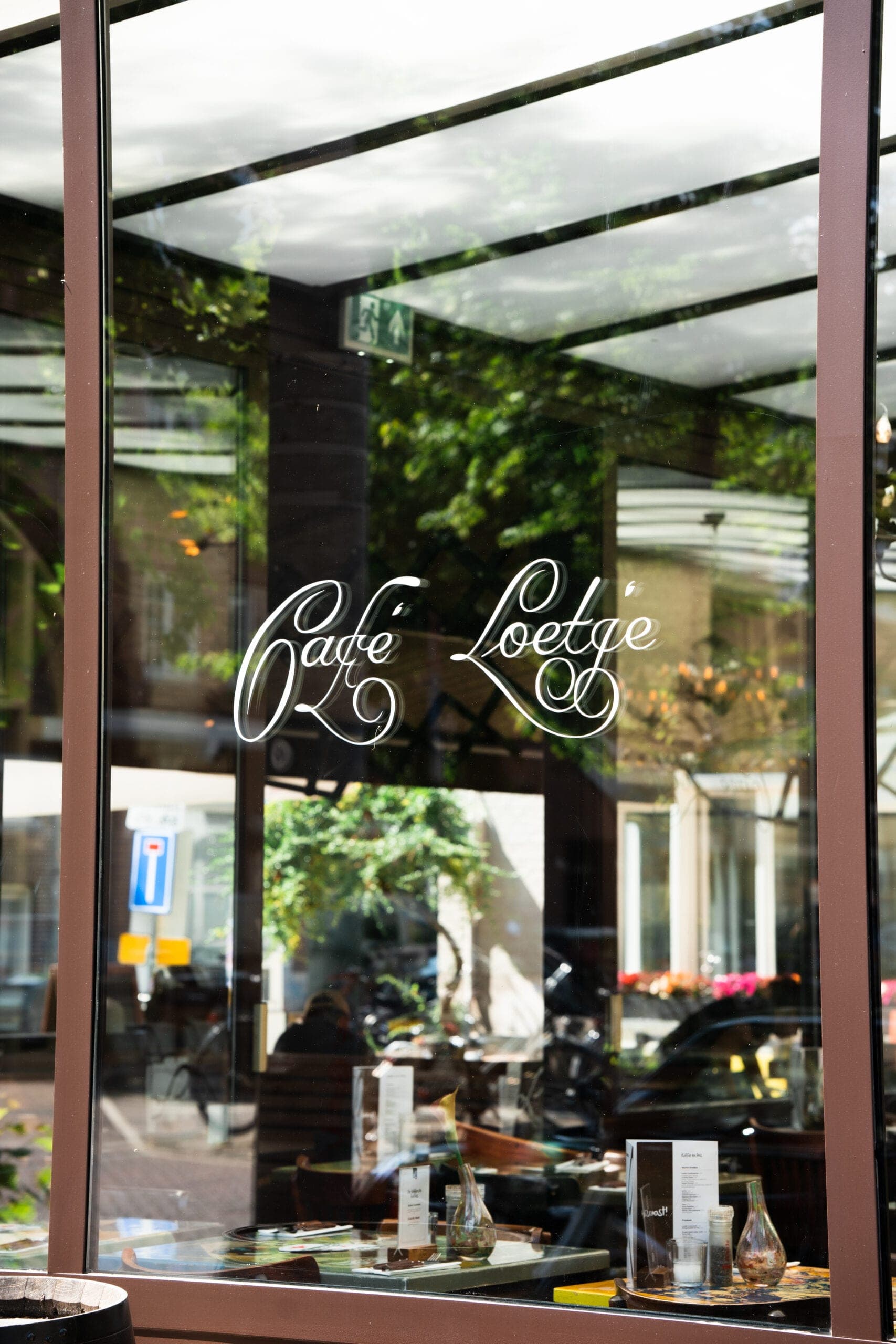
Foto: Café Loetje (Shot By Luba)
№ 12Museumkwartier · Steak · €€7.8
De oer-Loetje: boterzachte biefstuk, legendarische jus, en sinds 1977 geen greintje pretentie.
Voordat Loetje een landelijke keten werd, was er alleen dit: een biljartcafé in de Johannes Vermeerstraat dat in 1977 biefstukken begon te bakken en per ongeluk het meest geliefde bord eten van Amsterdam uitvond. De biefstuk ossenhaas komt zwemmend in die beroemde peperige jus, technisch gezien een jus, geestelijk een religie, met witbrood dat maar één taak heeft: soppen. Bestel hem 'Bali' en er gaat sambal door de jus, de definitieve machtszet. De rest van de kaart is prima; voor de rest van de kaart komt niemand. Het tuinterras achter is een van de grote democratische plekken van het Museumkwartier, waar studenten, chirurgen en cellisten van het Concertgebouw op dezelfde tafel wachten, omdat er voor kleine gezelschappen niet gereserveerd wordt en dat nooit anders is geweest. De bediening is kwiek, het bier koud, de rekening eerlijk. Sommige instituten teren op nostalgie. Hier staat de plaat nog gewoon heet.
Bestel · Biefstuk Bali, met extra brood voor de jus; accepteer geen vervangers en geen medium-well-flauwekul.
Foto: VINNIES
№ 13Rivierenbuurt (Scheldestraat) · All-day breakfast, specialty coffee · €€7.7
Doordeweeks om 7:30 open en vanaf de lunch laptopvrij, wat precies vertelt waar deze zaak voor bedoeld is.
Vinnies zit sinds 2012 aan de Scheldestraat en is het bruikbaarste doordeweekse ontbijtadres van de Rivierenbuurt, vooral omdat ze de saaie dingen goed doen: van maandag tot en met vrijdag om 7:30 open, een keuken die kookt in plaats van samenstelt, en een uitgesproken beleid om tijdens de lunch en in het weekend laptopvrij te zijn. Die laatste regel is het bewijs. Dit is een tent voor mensen die met elkaar praten, en een tafel om acht uur is hier rustig op een manier die De Pijp op datzelfde tijdstip niet haalt. De kaart is ontbijt en lunch de hele dag door en is netjes ingekocht: broodjes op biologisch volkoren zuurdesem van Mama Bakery, gerookte kip van boerderij Lindenhoff, een gekruide rodelinzensoep, en het Omega-3-ontbijt van roerei, gerookte zalm, mousse van gerookte makreel, geroosterde trostomaat en avocadospread op zuurdesem voor 17,75 euro. De shakshuka van 16,75 euro komt met minipita's, en de stapel banaan-speltpannenkoeken van 15,50 euro is de zoete bestelling. Ze hebben 's avonds ook een private dining room, handig om te weten als de ontbijtafspraak uitloopt in iets langers. Let op: de oude Vinnies aan de Haarlemmerstraat is dicht. Dit is de enige die over is, en het halve internet heeft dat nog niet door.
Bestel · Maandag tot en met vrijdag 7:30 tot 17:00, zaterdag vanaf 9:00, zondag vanaf 9:30. Reserveer een tafel via hun site. Laptops mogen vroeg wel, maar vanaf de lunch niet meer, dus reken er niet op dat je kunt blijven plakken.
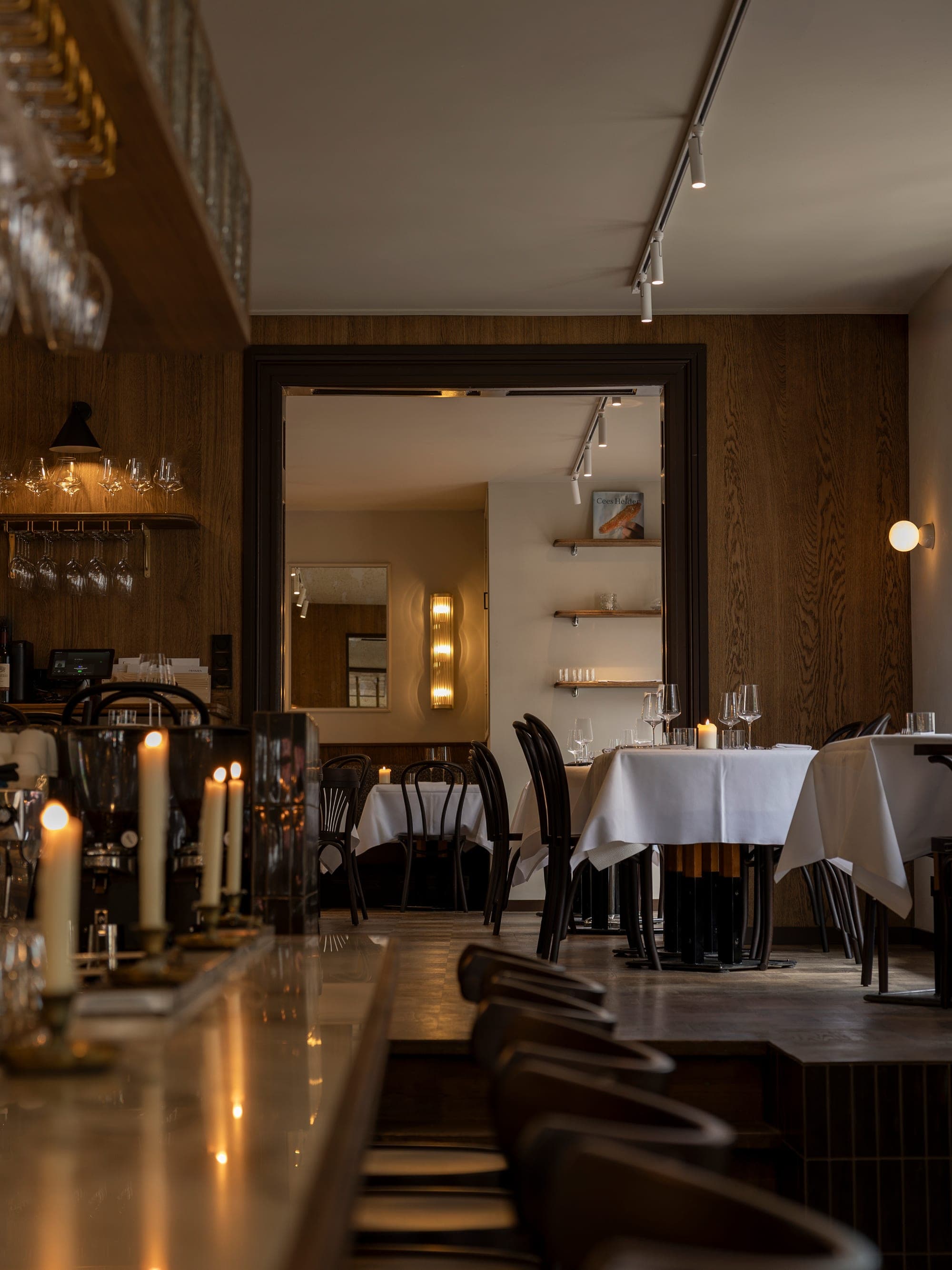
Foto: Restaurant Franzen
№ 14Museumkwartier · French-Mediterranean · €€€€7.7
Solodebuut van Jesse Franzen in Oud-Zuid, Frans-mediterrane kaart met dry-aged rundvlees en een wijnkaart die zwaar leunt op Piemonte.
Jesse Franzen groeide op naast het doorgeefluik van een keuken, stond op zijn zestiende al te koken en wilde voor zijn dertigste een eigen zaak. Dat lukte in augustus 2025, in een hoekpand aan de Johannes Verhulststraat, onder de restaurantnaam van zijn vader, met de bedoeling er een huiskamer voor de buurt van te maken. Het cv erachter is stevig: het tweesterren Chapeau, daarna Ron Gastrobar en een periode bij Lars Amsterdam, waar hij meehielp aan de Michelinster van die keuken. De kaart splitst zich in kleine gerechten en volledige gangen: rauwe tonijn met dille en mierikswortel, harder à la plancha met octopus-escabeche, poulet jaune van de grill met cantharellen, en dry-aged rundvlees dat op bestelling wordt gesneden en per honderd gram wordt geprijsd. De wijnkaart leunt zwaar op Piemonte en beloont een lang diner. De service begint vroeg: happen en aperitieven vanaf vier uur, de keuken vanaf half zes, lunch van woensdag tot en met zaterdag. Het leest als een ouderwetse Franse bistro die is opgegroeid met het moderne Amsterdamse keukenlandschap, zelfverzekerd zonder opschepperij, en precies het soort solodebuut dat de moeite waard is om te volgen.
Bestel · Lunch van woensdag tot en met zaterdag, 12:00-14:30, diner van dinsdag tot en met zaterdag vanaf 17:30, bar en bites al vanaf 16:00. Zondag en maandag dicht. Online reserveren kan niet, bel of mail voor een tafel in het weekend.
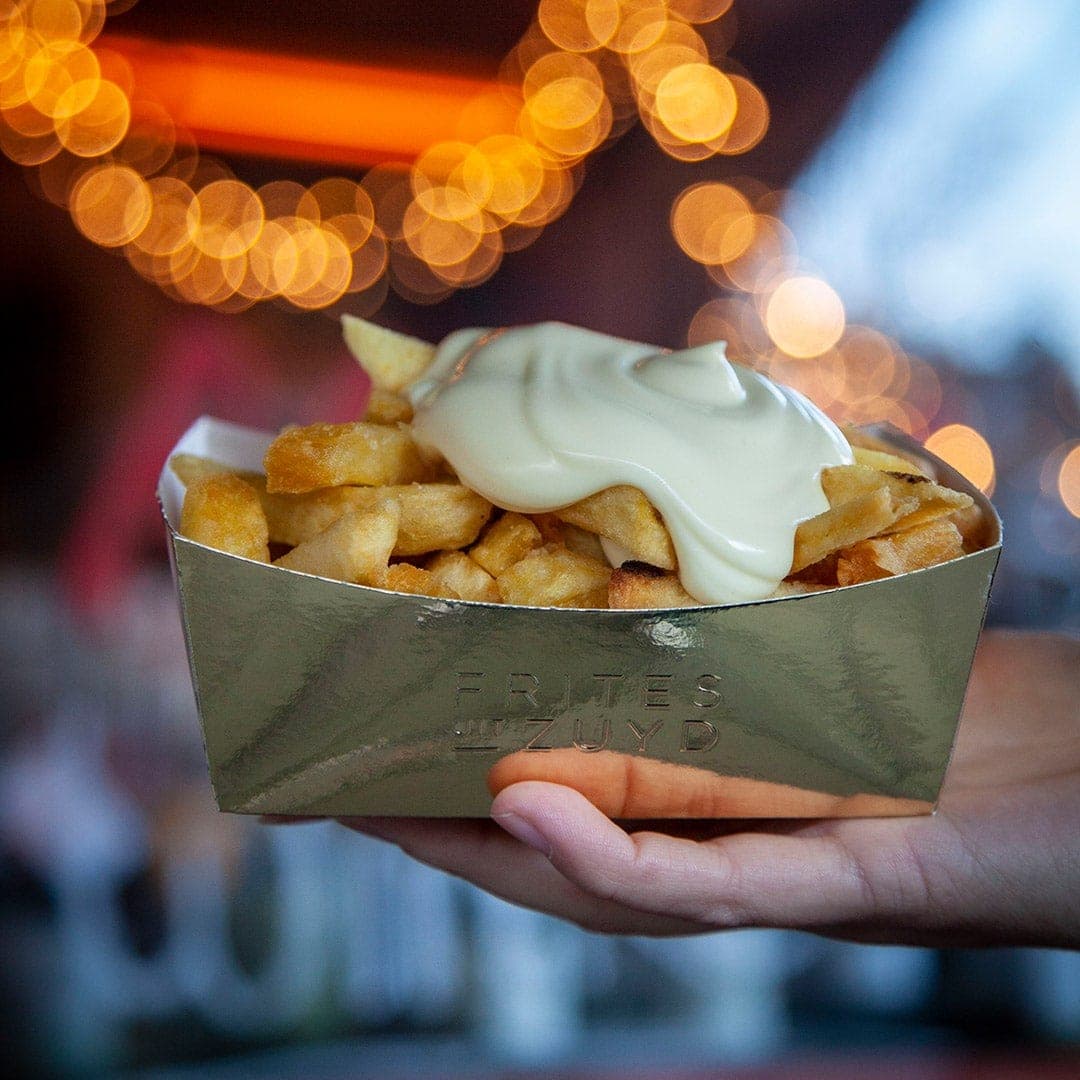
Foto: Frites uit Zuyd via VHC Jongens
№ 15De Pijp · friture · €7.7
Eén familie, twee keer gebakken friet, eigen mayo, een goudkleurig bakje, en een rij waar niemand over klaagt.
Een echt frietkot, sinds 2015 in handen van één familie, vastgeklonken aan de zijkant van Café Par Hasard aan de Ceintuurbaan. Het uitgangspunt is monnikenwerk: verse aardappels, dagelijks gesneden, twee keer gebakken, gezouten en bekroond met mayonaise die ze zelf opkloppen, geserveerd in een glimmend goudkleurig bakje dat in De Pijp tot een klein statussymbool is uitgegroeid. Meer is het niet, en precies daarom staat de rij er, op weekendmiddagen vooral, tot voorbij de caféramen, terwijl de frituurpannen in ploegendienst draaien. De snacks zijn met dezelfde zorg gekozen, garnalenkroketten en Limburgse frikandellen in plaats van vriezervulsel, en wordt de rij absurd, dan wijk je uit naar Par Hasard en bestel je daar dezelfde frites bij een glas wijn. Goedkoop, secuur, en al tien jaar onveranderd. De stad kan wel meer van dit soort koppigheid gebruiken.
Bestel · Frites met de huisgemaakte mayonaise; een garnalenkroket erbij als de dag het verdient.

Foto: Rasoi
№ 16Rivierenbuurt · Indian · €€7.6
De huisindiër van de Maasstraat die weigert iets af te zwakken, met tandooriwerk ver boven buurtniveau.
Toen Parool langskwam, vatte de kop het meteen samen: Rasoi past zich niet aan aan de Nederlandse smaak. Precies daarom wil je erheen. De eigenaren streken eind 2021 neer op het stille stuk van de Maasstraat, met koks uit Indiase topkeukens en het vaste voornemen om niets milder te maken dan het hoort. Dus bijt de kadai chicken echt terug, staat de dal makhni zo lang op het vuur als het recept vraagt en is de tandoorisectie het feest waar je voor komt, niet het opwarmertje. Koperen schaaltjes, een donker, gekleed interieur en cocktails met gedroogde citrus maken het chiquer dan de straat doet vermoeden. Hoofdgerechten zitten net boven de twintig euro, de broden worden serieus genomen en de mushroom galouti kebab bekeert iedereen die groente nog stiekem wantrouwt. De Rivierenbuurt was nooit een uitgaansbuurt en heeft er nu wel opeens een huisindiër bij waar de rest van de stad jaloers op mag zijn.
Bestel · Bouw je bestelling rond de tandoorisectie met dal makhni en roomali roti erbij, sla de rijst gerust over, en kom donderdag tot en met zondag om twaalf uur voor de rustigste tafels.
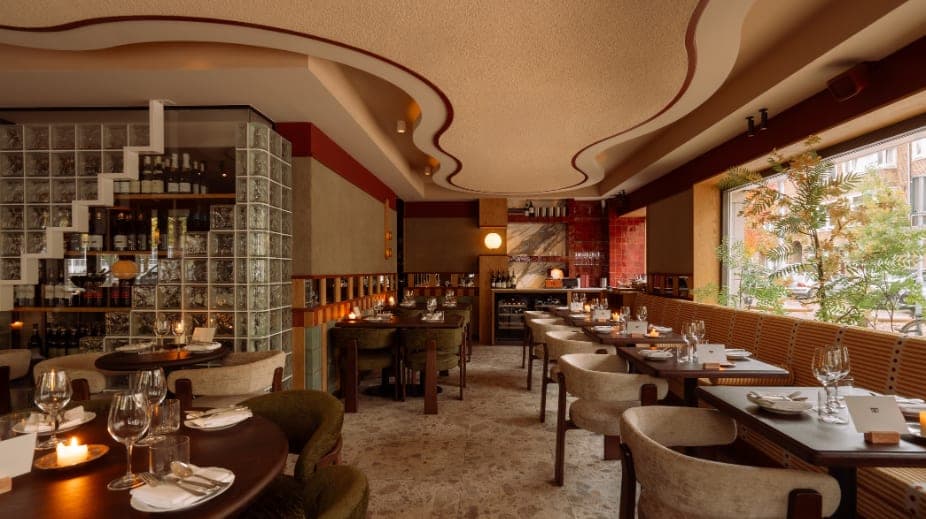
Foto: Chantal Arnts, via Entree Magazine
№ 17Rivierenbuurt · Italian-Mediterranean · €€€7.5
Tweede zaak van het Troef-team aan het Europaplein, Michelin-vermeld Italiaans-mediterraans eten pal tegenover de RAI.
Toen de mensen achter Troef besloten het nog een keer te doen, kozen ze een hoekpand met uitzicht op de RAI en bouwden er iets losers dan hun eerste zaak. Toet ruilt de Franse klassieke lijn van Troef in voor Italiaans-mediterrane keuken met een vintage, internationaal randje: kreeft door de gnocchi, carpaccio van langoustine, grissini met mortadella en ansjovismayonaise. Chef Raymond Plat staat in beide keukens, en dat is te proeven aan hoe zeker de gerechten worden opgemaakt, ook al ging de deur pas in september 2025 open. De Michelin Gids nam Toet op in de selectie van 2026 en Gault&Millau gaf een sterk debuutcijfer, met lof voor het brede aanbod wijn per glas. Het is geen verkleinde kopie van Troef maar een warmere, energiekere jongere zus, en de hoekramen op het Europaplein maken het een logische stop voor of na iets bij de RAI. Met dezelfde eigenaren en dezelfde keukendiscipline die Troef groot maakte, veroverde Toet snel een plek op de Michelin-lijst, en de zaak zit inmiddels vol genoeg dat binnenlopen zonder reservering op de meeste avonden een gok is.
Bestel · Alleen diner, van maandag tot en met zondag 17:30-22:00. Reserveer van tevoren, zeker rond RAI-evenementen: het loopt er net zo makkelijk vol met congresgangers als met buurtgasten.
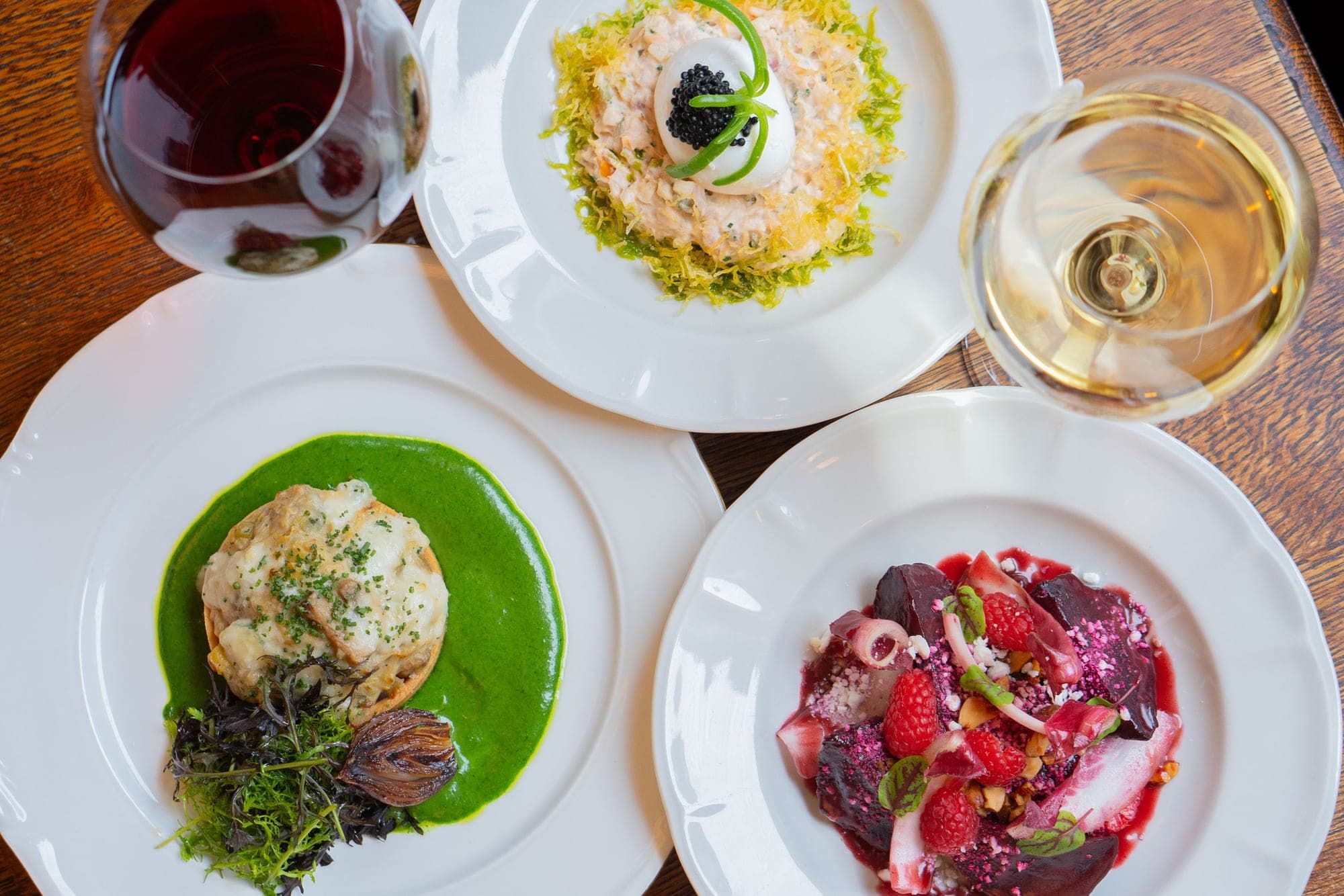
Foto: Schotsheuvel
№ 18Museumkwartier · Modern Dutch-European eetcafé · €€€7.5
Hoekzaak in Oud-Zuid waar de kaart elke zes weken kantelt en een deel van de tafels vrij blijft voor wie gewoon binnenloopt.
Er bestaan nog restaurants waar je op woensdagavond zonder reservering naar binnen kunt lopen en gewoon een tafel krijgt. Schotsheuvel houdt daar principieel een deel van de tafels voor vrij. Maarten en Jordy, die in De Pijp al Wijmpje Beukers runden, namen in 2021 deze hoek van de Banstraat over en bouwden het eetcafé waar Oud-Zuid stilletjes op wachtte: art-decodetails, een echte bar en een publiek dat van student tot negentiger loopt zonder dat iemand zich bekeken voelt. De kaart gaat elke zes weken om en mikt steevast hoger dan het woord eetcafé belooft: buikspek gepekeld in soja met kaffirlimoen, dorade in beurre blanc met rivierkreeft, en voor de vaste gasten aan het raam een kogelbiefstuk met hollandaise. De Buik en Your Little Black Book kwamen kijken en vertelden de buurt wat die eigenlijk al wist. Zaterdag gaat de deur om vier uur open voor de borrel, die naadloos overloopt in het diner. Zo is de zaak ook bedoeld.
Bestel · Kom voor 18:30 of na 21:00 en je zit vrijwel zeker zonder reservering; op zaterdag begin je om 16:00 met borrelhappen aan de bar en schuif je aan tafel zodra de honger wint.
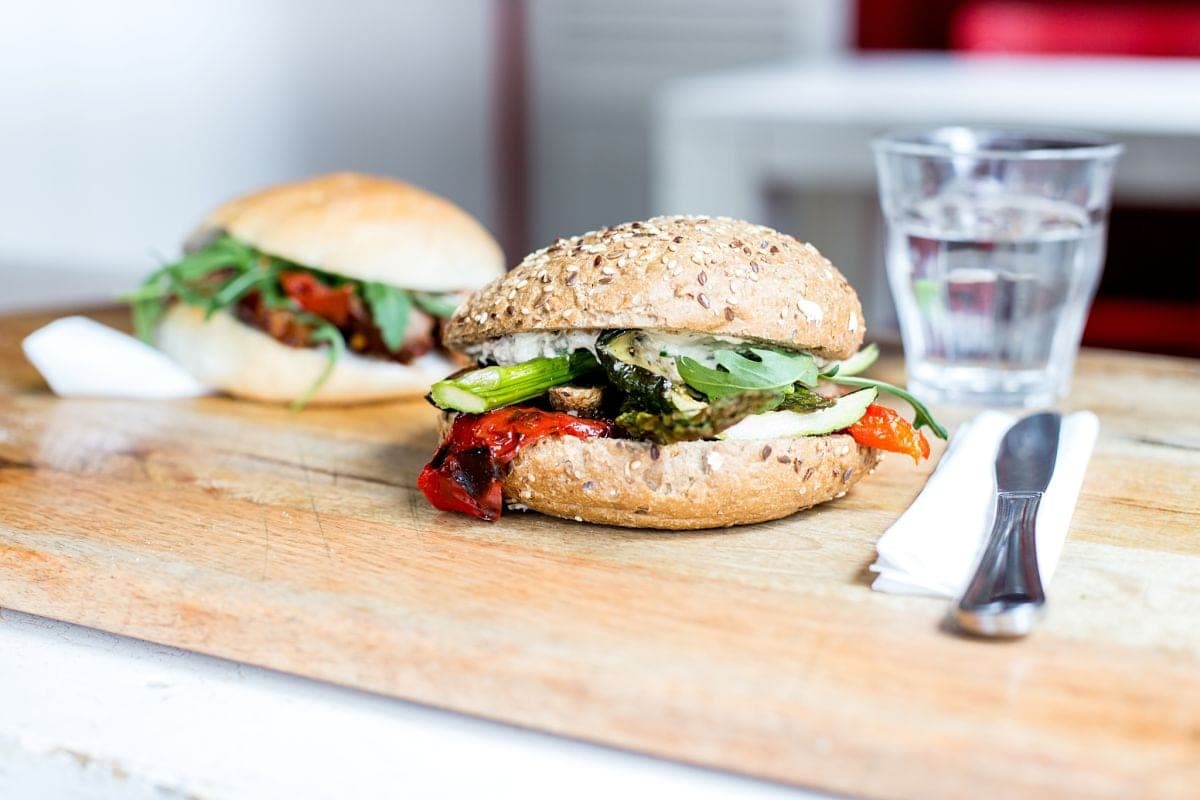
Foto: Renzo's Delicatessen
№ 19Museumkwartier · Italian deli · €7.5
De Italiaanse toonbank van Oud-Zuid: overladen schalen, echte broodjes, en zitplaatsen waar je niet om hoeft te vechten.
Elke chique buurt heeft één eerlijke toonbank nodig, en Renzo's is sinds 1986 die van Oud-Zuid. Het is in de eerste plaats een delicatessenzaak, kazen, vleeswaren, wijnen en een gebaksvitrine die diëten saboteert, maar de reden dat er om één uur een rij galeriehouders en hondenuitlaters tot buiten staat, is het eten dat hier dagelijks in huis wordt gemaakt: schalen lasagne en melanzane, geroosterd vlees, salades die daadwerkelijk ergens naar smaken, en broodjes gebouwd met de gulheid van de vitrine in plaats van de zuinigheid van een café. Je eet op een van de weinige krukken of op een bankje, met het verkeer van de Van Baerlestraat als gezelschap, voor een tientje waar elke buurman er dertig zou rekenen. Open tot negen uur 's avonds, zeven dagen per week, en daarmee het geheime wapen van de buurt voor een schaamteloos maar voortreffelijk afhaaldiner. De chicste straten van Amsterdam worden, zo blijkt, gevoed door de minst chique keuken van het blok.
Bestel · Haal de lasagne bij de toonbank, opgewarmd, plus de antipastischaal die er het meest vers bij ligt, en een cannolo voor onderweg naar huis.
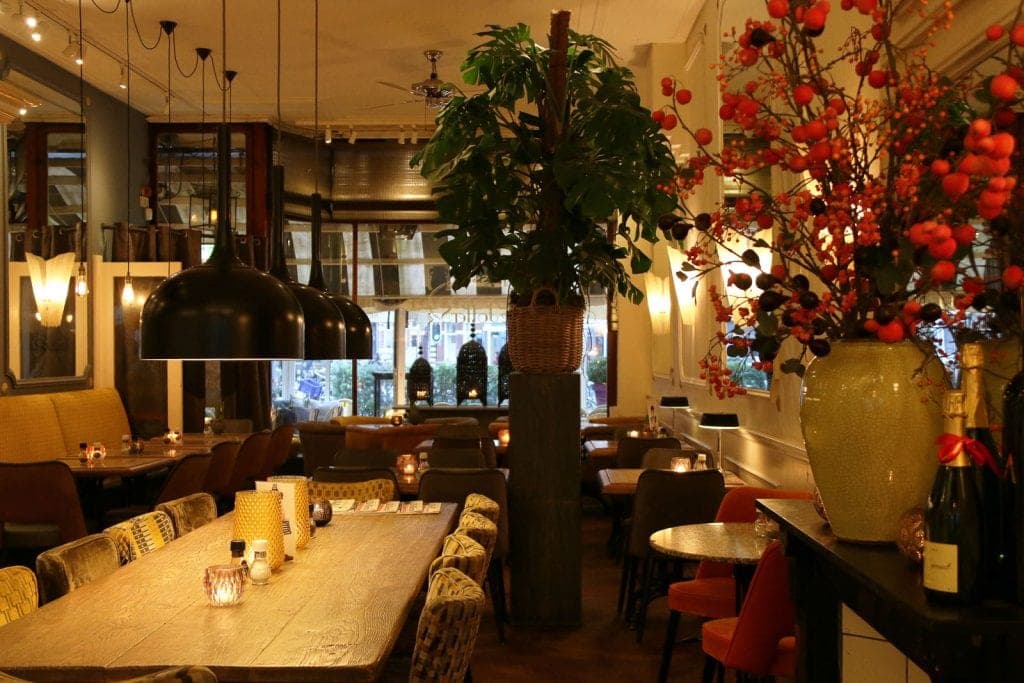
Foto: Brasserie De Joffers
№ 20Cornelis Schuytstraat, Oud-Zuid · Brasserie, breakfast · €€7.4
De buurtbrasserie van Oud-Zuid gaat om 8:00 open en voert tot twaalf uur een gedrukte ontbijtkaart, taart van Patisserie Holtkamp inbegrepen.
De Joffers zit op de hoek waar de Willemsparkweg de Cornelis Schuytstraat raakt, de meest zelfverzekerde winkelstraat van Oud-Zuid, en gedraagt zich daarnaar: deuren open om 8:00 van maandag tot en met zaterdag, een echte gedrukte ontbijtkaart die tot 12:00 loopt, en een publiek dat met een krant binnenkomt in plaats van met een camera. De naam verwijst naar de Amsterdamse Joffers, de kring vrouwelijke schilders die hier een eeuw geleden werkte, en het interieur speelt daarop in: brasseriespiegels, tafels dicht op elkaar, zacht licht, niks schreeuwerigs. De kaart is kort en vakkundig. De Jofferbol is een gevuld broodje met roerei en zalm en dille voor 14,50 euro, met truffelkaas van Lindenhof voor 12,50 euro of bacon voor 10,50 euro; het Soho breakfast is twee gepocheerde eieren, avocado en tomaat op rustiek brood voor 14,50 euro; de Turkse cilbir met knoflookyoghurt en paprika-chiliboter kost hetzelfde en is de betere bestelling. Het gebak komt van Patisserie Holtkamp, wat in deze buurt als een diploma telt. Het is geen keuken om voor om te rijden en doet ook niet alsof, maar voor een ontbijt met een klant op loopafstand van de musea is dit het juiste antwoord.
Bestel · Maandag tot en met donderdag 8:00 tot 19:00, vrijdag en zaterdag 8:00 tot 20:00, zondag vanaf 9:00. De ontbijtkaart loopt van 8:00 tot 12:00. Reserveer via hun site: de hoektafels gaan als eerste en het is er klein genoeg om tegen negenen vol te zitten.
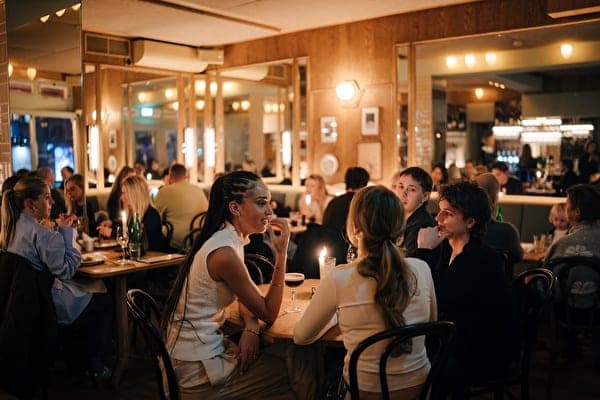
Foto: Bar Bonnie
№ 21Schinkelbuurt · Cafe-bistro, smashburger · €€7.4
Café-bistro op de plek van Café Bos, met de smashburger die Broodjestester in 2024 de beste van Amsterdam noemde; gasten klagen vaak over de bediening.
Op de hoek van de Amstelveenseweg en de Vaartstraat zat sinds 1912 Café Bos. In 2018 werd bekend dat horecagroep 3WO het pand overnam; in mei 2020 begon Bonnie, door corona, met afhaal. Omar Baggen en Thijs Barelds zijn mede-eigenaar en gastheer. Bonnie was de eerste zaak van Fam. Goudvisch, waar inmiddels ook Arie, Moos en Polly Goudvisch bij horen. De keuken opent om 10.00 met ontbijt, 's middags zijn er croques en sandwiches, 's avonds oesters (4 per stuk), krab XO taco's, rigatoni met vodkasaus en 'nduja (22) en Biefstuk Bonnie met jus de veau of pepersaus (28). In december 2024 riep Broodjestester Bonnie's smashburger uit tot beste burger van Amsterdam, met een 9,0. Met frites en mayonaise kost hij nu 21 euro. Gasten prijzen de burger nog steeds, maar klagen vaak over de bediening: lang wachten en vergeten bestellingen. Wie het personeel vriendelijk noemt, klaagt in dezelfde recensie vaak over het tempo. Een deel van de gasten vindt het er lawaaierig en erg druk.
Bestel · De smashburger staat bij lunch en diner op de kaart, en op de snackkaart tot 22.00. Op vrijdag en zaterdag is Bonnie open tot 03.00.
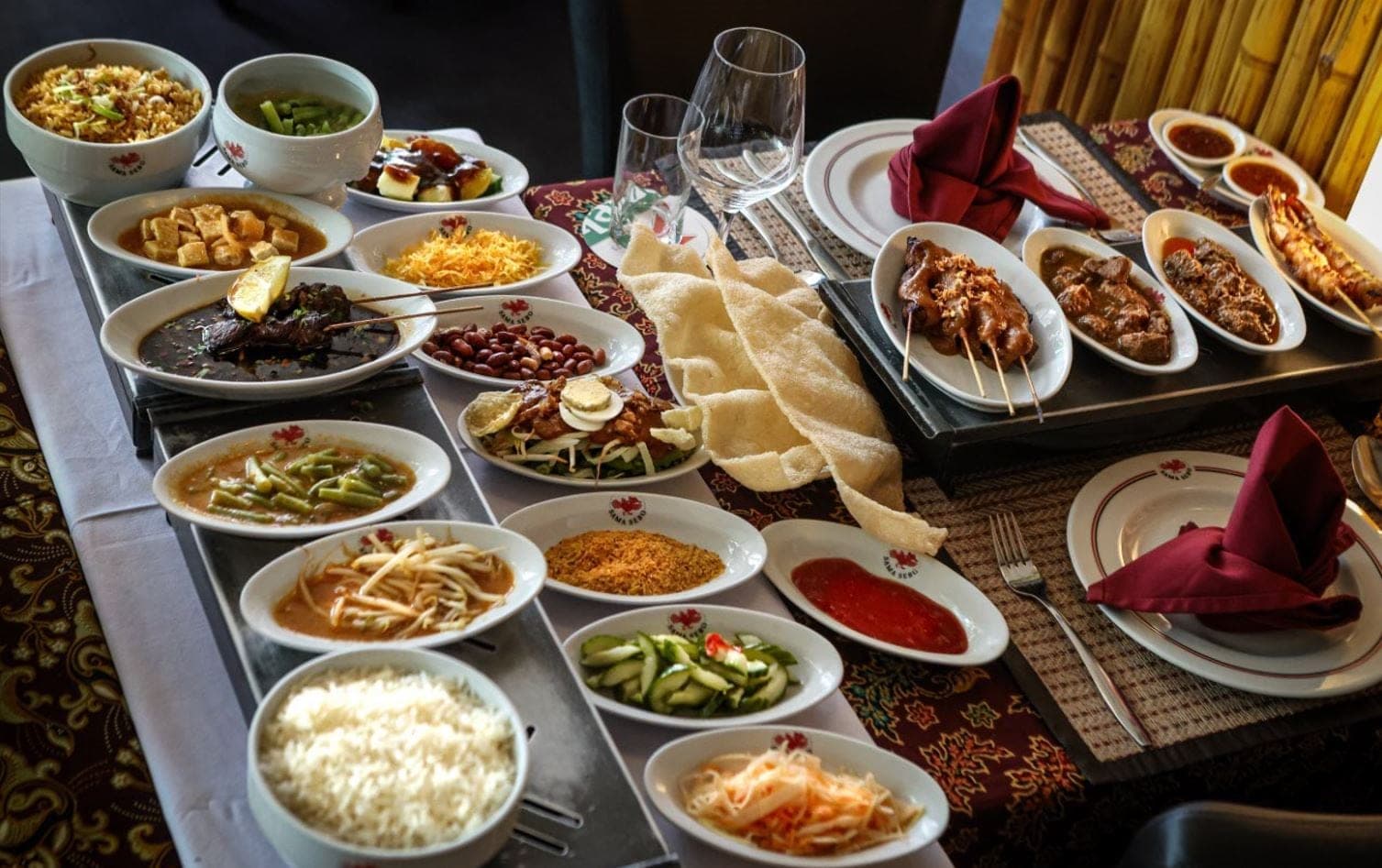
Foto: Sama Sebo
№ 22Museumkwartier · Indonesian · €€€7.4
Een tijdcapsule uit 1969 vol rijsttafelcultuur, midden tussen de boetieks van de P.C. Hooftstraat.
Het oudste zuiver Indonesische restaurant van Nederland zit, hoe onwaarschijnlijk ook, tussen de Gucci-tassen en Chanel-etalages van de P.C. Hooftstraat, en het is sinds 1969 nergens over van gedachten veranderd. Rotan, batik, de warmte van een bruin café, obers die alles al eens hebben gezien: Sama Sebo is minder een restaurant dan een staand betoog over hoe Amsterdam vroeger at. De volledige rijsttafel is de beroemde bestelling, en de toeristische; de scherpere zet is lunchen aan de bar, waar de stamgasten zich buigen over een bord bami of nasi goreng dat in vijf decennia geen update nodig had. Is dit de meest verfijnde Indonesische keuken van de stad? Nee, die titel is voor Blauw. Maar om verfijning gaat het hier niet. Het gaat erom gado gado te eten in een zaak waar je oma hetzelfde had kunnen eten, op dezelfde manier gemaakt. Zondag gesloten, zoals alle goede instituten.
Bestel · Sla de volledige rijsttafel over en neem de bami goreng aan de bar; sinds mensenheugenis de bestelling van de lunchstamgast.
Foto: 't Vliegertje
№ 23Rivierenbuurt · Eetcafé, grill · €€7.3
Vijfendertig jaar ossenhaassaté van 320 gram en spareribs aan de Scheldestraat, het eetcafé van de Rivierenbuurt bij uitstek.
't Vliegertje zit al vijfendertig jaar aan de Scheldestraat en doet twee dingen waar de hele buurt het om kent: een saté van ossenhaas van 320 gram voor 25 euro, en spareribs, naturel of pittig, voor 23. Daaromheen staat de kaart van een ouderwets eetcafé zoals het hoort: carpaccio met pesto of truffel voor 11,50 euro, uiensoep voor 6,50, een steaktartaar van ossenhaas van 180 gram voor 20, een dry-aged burger op brioche voor 14,50 en een ladysaté van 200 gram voor wie 320 een uitdaging vindt. Binnen is het donker hout en gedempt licht, het soort café dat voor achten volloopt met gezinnen en daarna met het RAI-publiek, en de keuken draait elke dag van de week van 17:15 tot 22:00. Your Little Black Book zette het in september 2024 tussen de beste bruine cafés van Amsterdam, speciaal om de saté en de ribs, en het blijft het soort tent dat zonder gedoe een telefonische reservering voor acht aanneemt. Hip is het niet, de wijnkaart is functioneel en de pizza's op de kaart negeer je het best, maar voor een bord vlees in een echt café ten zuiden van het Amstelkanaal is dit de plek.
Bestel · Dagelijks open vanaf 16:00, keuken 17:15 tot 22:00, tot middernacht van zondag tot en met donderdag en tot 01:00 op vrijdag en zaterdag. Reserveer telefonisch voor groepen. Bestel de saté 't Vliegertje, de ribs om te delen en vooraf de uiensoep.